Depok, 4 Mei 2026 – Indonesia masih menghadapi tingkat kerawanan bencana yang tinggi. Berdasarkan data Badan Nasional Penanggulangan Bencana (BNPB), tercatat lebih dari 4.700 kejadian bencana terjadi di seluruh wilayah Indonesia sepanjang 2025. Kondisi ini menjadi pengingat pentingnya penguatan sistem mitigasi serta peningkatan literasi kesiapsiagaan masyarakat sejak usia dini, terutama di wilayah dengan risiko tinggi bencana hidrometeorologi maupun geologi.
Menanggapi kondisi tersebut, Fakultas Matematika dan Ilmu Pengetahuan Alam Universitas Indonesia (FMIPA UI) bersama TOA Indonesia meluncurkan inisiatif kolaboratif bertajuk When Knowledge Meets Readiness. Program ini menargetkan 5.000 siswa sekolah dasar di wilayah rawan bencana di Sumatera, Jawa, dan Sulawesi melalui pendekatan edukasi berbasis teknologi dan visual, dengan tujuan memperkuat pemahaman kebencanaan sejak dini.
Inisiatif tersebut menjadi bagian dari penyelenggaraan UI Geoscience Seminar x STARBORN MENGAJAR 2026 bertema “When Knowledge Meets Readiness”, yang digelar pada Senin, 4 Mei 2026 di Aula Prof. Dr. Ir. Soemantri Brodjonegoro, FMIPA UI, Depok.
Forum ini dihadiri mahasiswa Program Studi Geologi dan Geofisika FMIPA UI serta pemangku kepentingan dari kalangan akademisi, industri, dan lembaga kebencanaan. Kegiatan ini menegaskan peran FMIPA UI sebagai pusat pengembangan ilmu kebumian yang tidak hanya berfokus pada kajian akademik, tetapi juga pada kontribusi nyata dalam mitigasi bencana di masyarakat.
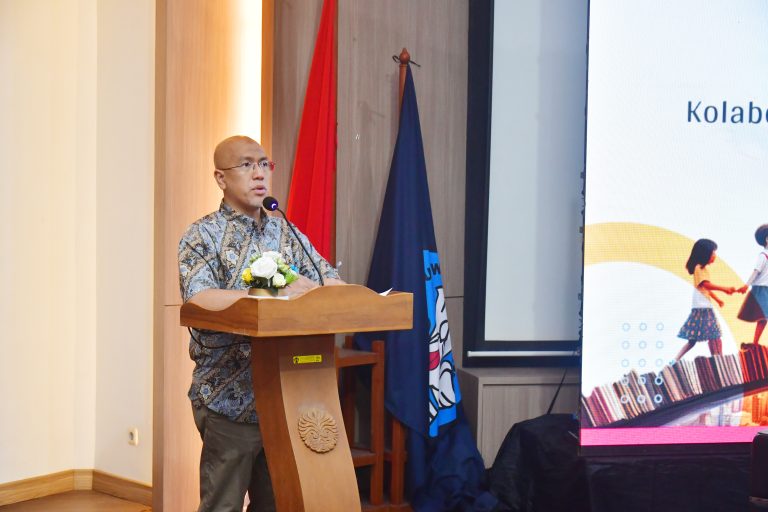
Wakil Dekan FMIPA UI, Prof. Anom Bowolaksono, Ph.D. menegaskan pentingnya sinergi lintas sektor dalam membangun kesiapsiagaan berkelanjutan. “Sinergi antara akademisi, industri, dan lembaga kebencanaan menjadi sangat penting. Pengetahuan ilmiah tidak boleh berhenti di ruang kelas, tetapi harus diterjemahkan menjadi aksi nyata,” kata Prof. Anom.
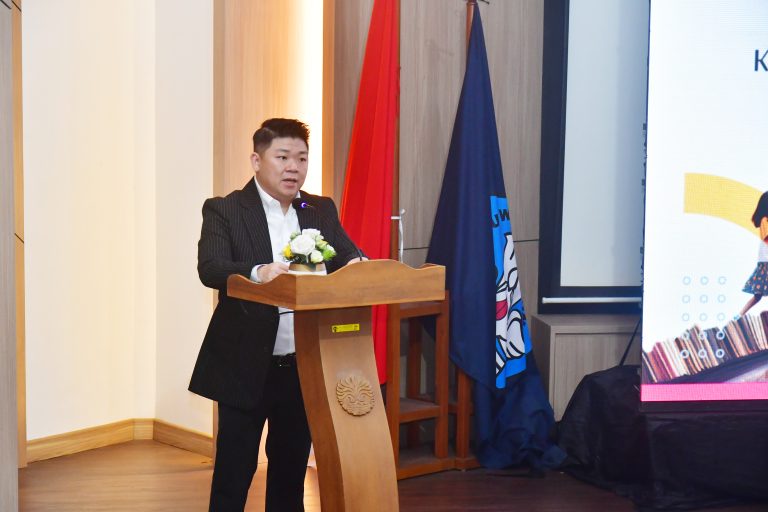
Sementara itu, Presiden Direktur TOA Indonesia, Hendrick Halim, menekankan pentingnya sistem peringatan dan komunikasi darurat yang cepat dan efektif, khususnya di lingkungan pendidikan. Ia menyatakan bahwa literasi kebencanaan harus berujung pada kesiapsiagaan yang dapat diterapkan secara nyata, bukan sekadar dipahami.
“Sebagai perusahaan solusi komunikasi, kami memahami pentingnya sistem peringatan darurat yang cepat dan efektif di lingkungan pendidikan, serta berharap literasi kebencanaan benar-benar diterapkan dalam kesiapsiagaan nyata, bukan sekadar dipahami.” ujarnya.
Dalam sesi materi, Trevi Jayanti Puspasari, S.Si., M.Si. selaku perwakilan BNPB memaparkan karakteristik risiko bencana di Indonesia yang masih didominasi oleh kejadian bencana hidrometeorologi. Selanjutnya, Ibu Asri Oktavioni Indraswari, S.T., M.Sc., D.Phil. menjelaskan hasil riset melalui proyek CREDO-Landslide dan CREDO-Volcano, sekaligus menyoroti kesenjangan antara tingginya kesadaran masyarakat dan tingkat kesiapsiagaan yang masih perlu ditingkatkan. Ia juga menekankan efektivitas media animasi dalam edukasi kebencanaan.
Adapun Ibu Clara Dinny memaparkan perkembangan sistem peringatan dini berbasis teknologi. Dalam sesi tersebut ditampilkan video animasi edukasi “Aku Harus Apa?” serta simulasi sistem peringatan otomatis dari TOA Indonesia sebagai bagian dari implementasi early warning system.
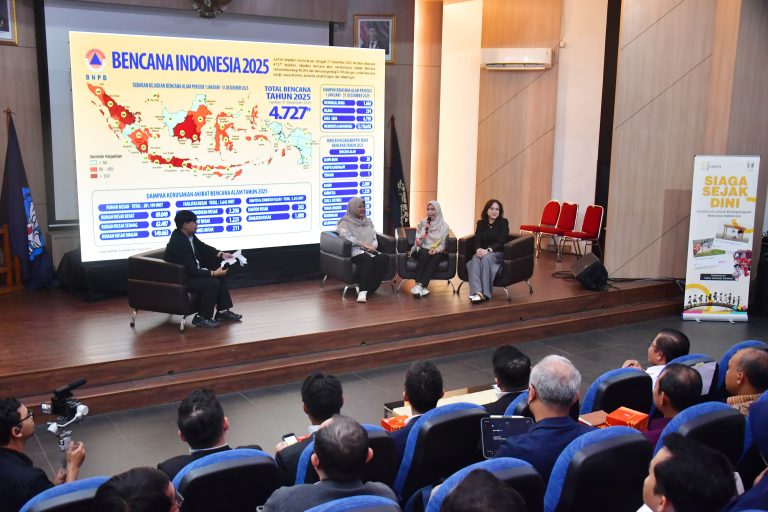
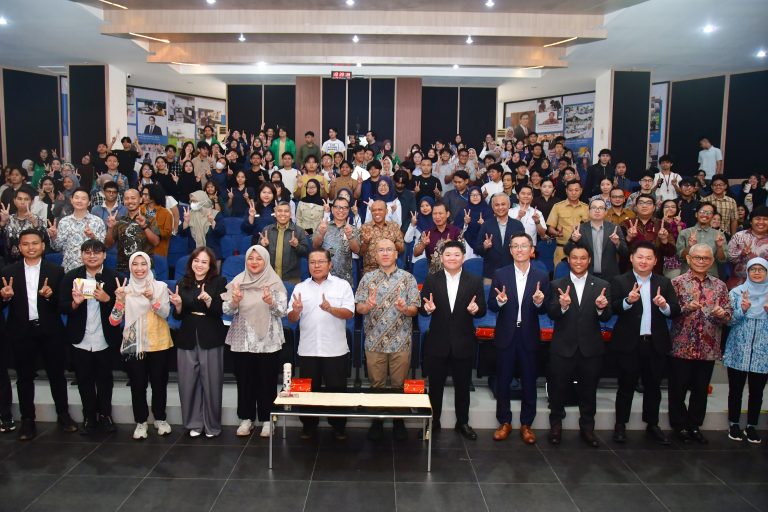
Kegiatan ditutup dengan sesi interaktif berupa kuis dan diskusi. Pendekatan edukasi berbasis animasi mendapat apresiasi karena dinilai lebih mudah dipahami masyarakat. Penutupan kegiatan ditandai dengan penyerahan plakat oleh Dr. Eng. Supriyanto kepada para narasumber, dilanjutkan sesi dokumentasi bersama.
Melalui kegiatan ini, FMIPA UI memperkuat perannya sebagai institusi akademik yang tidak hanya berfokus pada pengembangan ilmu pengetahuan, tetapi juga pada upaya menjembatani riset, industri, dan kebutuhan masyarakat dalam membangun budaya kesiapsiagaan berbasis ilmu pengetahuan, teknologi, dan edukasi berkelanjutan.