Depok, 5 Mei 2026 — Fakultas Matematika dan Ilmu Pengetahuan Alam Universitas Indonesia (FMIPA UI) bersama Faculty of Science Monash University terus mematangkan implementasi program kerja sama Kelas Internasional skema double degree melalui serangkaian pembahasan strategis.
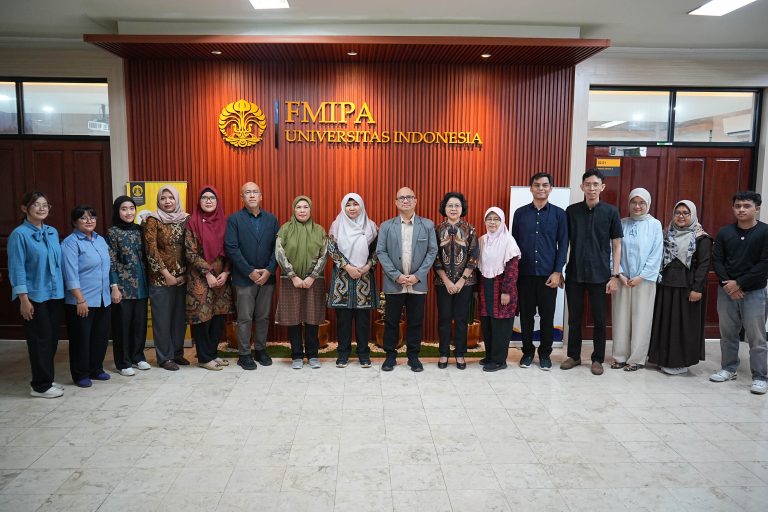
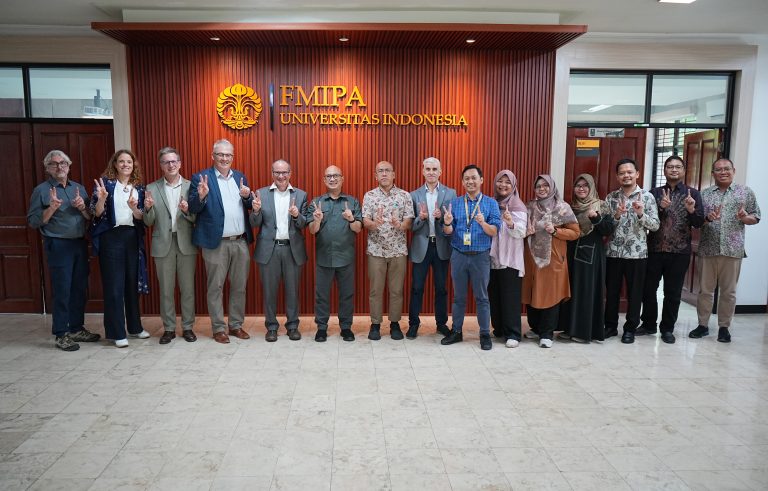
Pembahasan tersebut dilakukan melalui pertemuan antara pimpinan FMIPA UI dengan delegasi Monash University pada Selasa (5/5/2026) di Pusat Administrasi Fakultas MIPA UI, Depok. Pertemuan ini menjadi forum penting untuk menyelaraskan berbagai aspek teknis dan akademik dalam pelaksanaan program.
Fokus utama pembahasan mencakup sinkronisasi kurikulum, pemenuhan persyaratan akademik, serta penguatan kolaborasi jangka panjang antar kedua institusi.
Salah satu isu krusial yang mengemuka adalah kewajiban mahasiswa sarjana di Indonesia untuk memenuhi 360 jam kegiatan riset sebagai syarat kelulusan. Dalam konteks program ini, kedua pihak menyepakati bahwa pemenuhan komponen tersebut tidak harus dicantumkan secara eksplisit dalam dokumen kerja sama. Sebaliknya, mekanisme tersebut dapat diatur secara fleksibel melalui implementasi kurikulum dan sistem akademik di masing-masing institusi.
Sebagai solusi alternatif, mahasiswa yang menjalani studi di Monash dapat memenuhi komponen riset melalui kompilasi laporan atau tugas berbasis riset dari mata kuliah yang diambil. Kumpulan laporan tersebut nantinya dapat diakui sebagai bagian dari persyaratan penelitian skripsi di UI. Pendekatan ini dinilai mampu menjaga standar akademik sekaligus memberikan fleksibilitas bagi mahasiswa dalam menyelesaikan studinya.
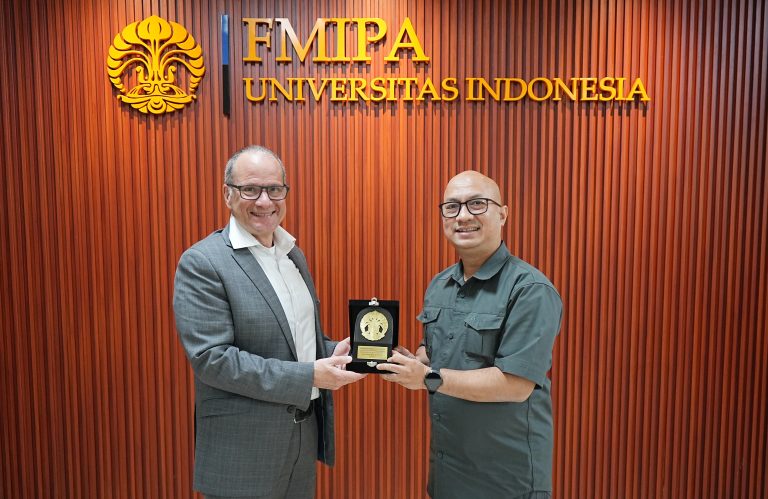
Dekan FMIPA UI, Prof. Dr. Tito Latif Indra, M.Si., menegaskan bahwa skema ini dirancang untuk tetap menjamin kualitas akademik tanpa mengabaikan dinamika pembelajaran lintas negara. Ia menyebut, kerja sama ini merupakan langkah strategis dalam menghadirkan pengalaman pendidikan global bagi mahasiswa.
“Pendekatan yang kami bangun bersama Monash University menempatkan kualitas akademik sebagai prioritas utama, namun tetap memberikan ruang fleksibilitas agar mahasiswa dapat beradaptasi dengan sistem pembelajaran yang berbeda. Kami ingin memastikan bahwa setiap mahasiswa yang mengikuti program ini tidak hanya memenuhi standar kelulusan, tetapi juga memperoleh kompetensi riset yang kuat dan relevan secara internasional,” ujar Prof. Tito.
Dari sisi akademik, mahasiswa diharapkan telah mempersiapkan diri sejak awal perkuliahan, terutama dalam menjaga performa selama dua tahun pertama di UI. Untuk dapat melanjutkan studi ke Monash dalam skema 2+2, mahasiswa diwajibkan memenuhi standar minimum GPA 3.0.
Selain itu, beberapa mata kuliah berbasis riset di Monash juga memiliki prasyarat tertentu, seperti capaian nilai minimal 70 persen. Persyaratan tersebut nantinya akan diarahkan melalui bimbingan academic advisor.
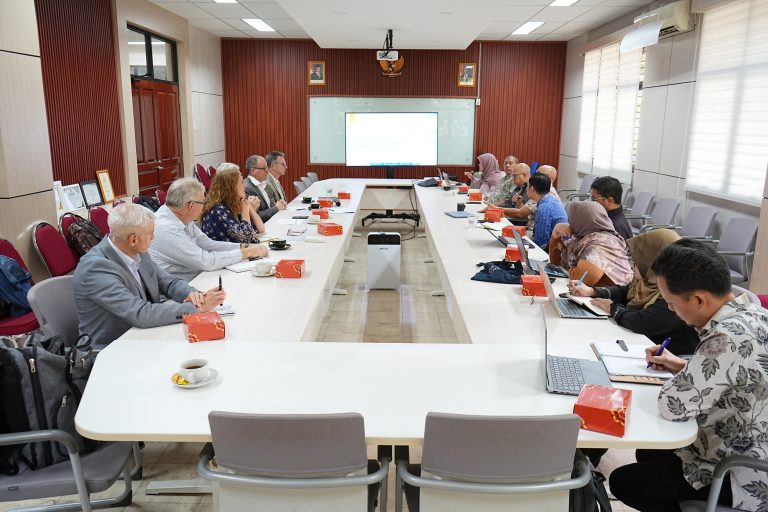
Pembahasan juga menyoroti pentingnya kejelasan persyaratan kemampuan bahasa Inggris, seperti TOEFL atau IELTS, yang perlu diselaraskan dengan skema serupa yang telah berjalan di lingkungan UI, khususnya di Fakultas Teknik. Dalam hal ini, ketentuan lama yang memungkinkan mahasiswa beralih dari jalur double degree ke single degree akibat tidak memenuhi skor bahasa Inggris sudah tidak lagi diberlakukan.
Aspek administratif, termasuk pengurusan visa, turut menjadi perhatian. Dengan jadwal perkuliahan di Monash yang umumnya dimulai pada awal Agustus, mahasiswa diimbau untuk mempersiapkan proses visa sejak dini. Meski demikian, terdapat toleransi keterlambatan dalam beberapa minggu pertama masa perkuliahan. Proses pengurusan visa dapat mengikuti prosedur yang telah berjalan, termasuk melalui agen berpengalaman.
Sementara itu, Dekan Faculty of Science Monash University, Prof. Jordan Nash, menekankan pentingnya fleksibilitas dalam pemilihan mata kuliah. “Monash University selalu mendorong mahasiswa untuk juga memilih mata kuliah di luar jurusannya seperti sejarah dan budaya Australia untuk meningkatkan wawasan mahasiswa tersebut,” ujarnya.
Namun demikian, pemilihan mata kuliah tetap perlu dikonsultasikan dengan academic advisor agar selaras dengan kebutuhan kurikulum di UI.
Sebagai tindak lanjut, kedua pihak akan melanjutkan komunikasi untuk menyelaraskan pemetaan mata kuliah, khususnya pada bidang biostatistika. Selain itu, peluang pengembangan kerja sama juga terbuka luas, tidak hanya terbatas pada program sarjana, tetapi juga berpotensi diperluas ke berbagai bidang seperti Geologi, Geografi, Matematika, Ilmu Lingkungan, hingga program magister.
Melalui pendekatan adaptif dan kolaboratif ini, FMIPA UI dan Faculty of Science Monash University menunjukkan komitmen bersama dalam menghadirkan program pendidikan internasional yang berkualitas dan relevan dengan kebutuhan global.