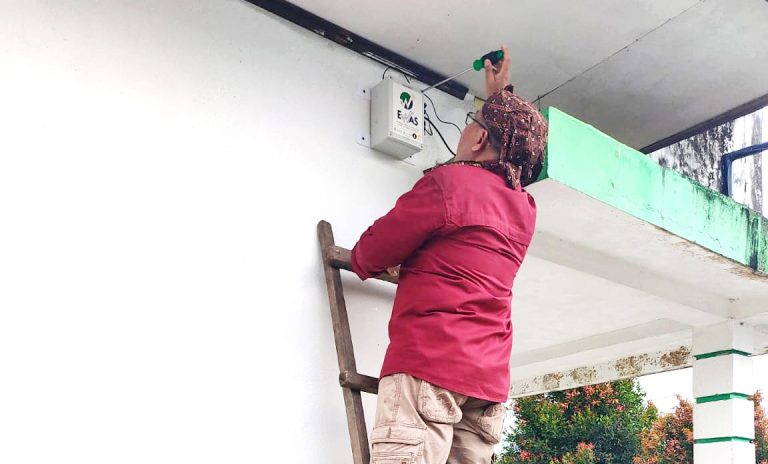
On Saturday, April 28, 2018, students from the Department of Geography, Agricultural Geography class, under the guidance of Mrs. Dra. Tuty Handayani, MS and Mrs. Ratri Candra Restuti, M.Si as the course instructors, visited Rorotan Village, Cilincing District, North Jakarta. This activity aimed to equip students with information on agricultural business in urban areas. The field visit began with a discussion with agricultural extension workers, the head of the Farmers Group Association (GAPOKTAN), and representatives of farmers from Rorotan Village. Next, students conducted a survey of the agricultural area and conducted direct interviews with farmers. Participants were divided into two large groups, namely the vegetable team and the rice team. Thus, it is hoped that this activity will enable students in the Agricultural Geography class to obtain complete information based on the type of agriculture that is cultivated by farmers.

Figure 1. Visit to the Sukapura Agricultural Extension Center, Rorotan Subdistrict, North Jakarta
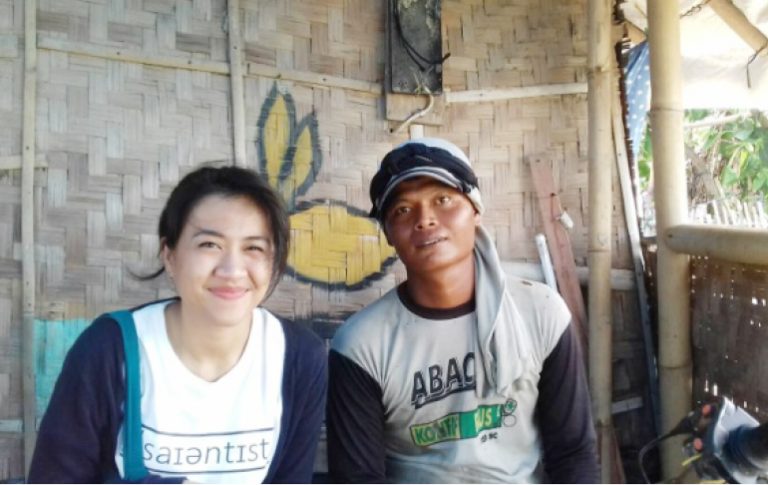
Figure 3. Activity of Interviewing Rice Farmers
Upon arriving at the farm, we were surprised to find so many rice paddies in a metropolitan city like Jakarta. However, according to an officer from the Agricultural Extension Office, agricultural land in Rorotan sub-district has been drastically reduced since 2005. This reduction in agricultural land is closely linked to the massive development of housing and shophouses, which has led to further erosion of agricultural land. It was even more ironic when we learned that 90% of the agricultural land these farmers cultivate is owned by developers, meaning it could be cleared and replaced with housing or shophouses at any time.

Figure 4. Location of the vegetable agricultural commodity survey in Rorotan Subdistrict, North Jakarta.
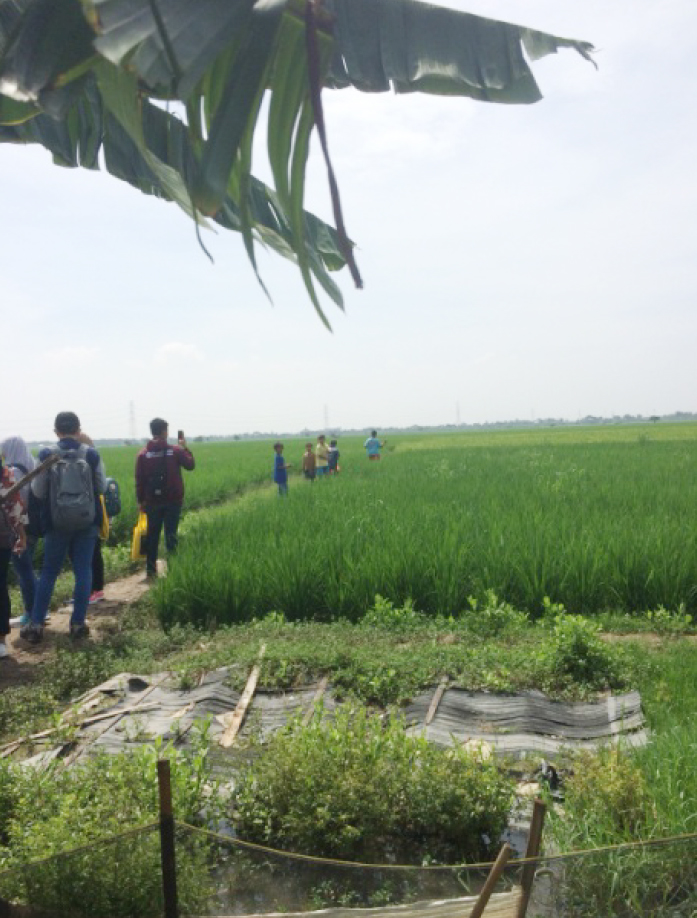
Figure 5. Location of the rice commodity survey in Rorotan Village, North Jakarta.
Based on interviews, we learned that the farmers are not native to Rorotan Village, but rather come from the northern and southern coastal areas, such as Indramayu, Tegal, Pemalang, and Cilacap. We even found some farmers from Lampung. Their motivation for farming in Jakarta is due to limited land ownership in their hometowns, making it difficult for them to farm there. Furthermore, some farmers are motivated solely by the idea of trying farming in Jakarta. This is quite unique considering they left their hometowns with an uncertain future.
Regarding cropping patterns, vegetable farmers revealed that they have been cultivating their crops according to current market trends. This is inherently risky for farmers, as if they were solely relying on market demand during harvest season, prices could drop while supply remains high. This situation can be detrimental to farmers, as the selling price of the commodity could drop significantly, as was the case with tomatoes several years ago.
Another aspect explored in interviews with farmers concerned maintenance and seeding. Farmers stated that, in general, they operate their own farms and do not employ employees to assist
Them. They only occasionally pay wages to other workers to help during harvest or planting periods if extra labor is needed.
Meanwhile, regarding capital and distribution of their crops, farmers stated that they rely on their own funds from planting to harvest. The lack of agricultural cooperatives and the lack of trust in banks in providing soft loans pose obstacles for these farmers during the planting and maintenance period. This also impacts their harvest yields. According to them, their crops are sold directly to middlemen due to the market’s distrust in them marketing their products directly. Borrowing money for agricultural capital is usually done through middlemen. Middlemen transport the farmers’ harvest directly from the rice fields. The loan is repaid by directly deducting the weighted price of the harvested crop. Furthermore, middlemen often lend capital to farmers under a profit-sharing agreement at harvest time.
This event will benefit farmers when facing agricultural shortages.
The existence of Gapoktan (Farmer Group Associations) also helps farmers, both individual and group, run their agricultural businesses. Within a farmer group, members assist each other in agricultural activities. One farmer we interviewed, a member of the Makmur Jaya farmer group, said that the entire farmer group (Gapoktan) usually gathers during the seeding and pest control periods. However, during harvest and irrigation, the entire Gapoktan rarely gathers because during harvest time, farmers focus on their respective crops. Irrigation uses rainwater, and during the off-season, irrigation utilizes the Melaka River.
Through this field visit, we learned that agriculture in Rorotan Village is already well-established. However, land ownership issues and limited capital prevent it from progressing as rapidly as in other areas. Another issue facing agriculture in Jakarta is the extremely high levels of pollution, which leads to poor soil, water, and air quality, making organic production very difficult. These issues with the quality of natural resources have led to the conclusion that the local farmer group (Gapoktan) believes that vegetable farming is more profitable than rice farming because processing from seeding to harvest takes less time than rice.