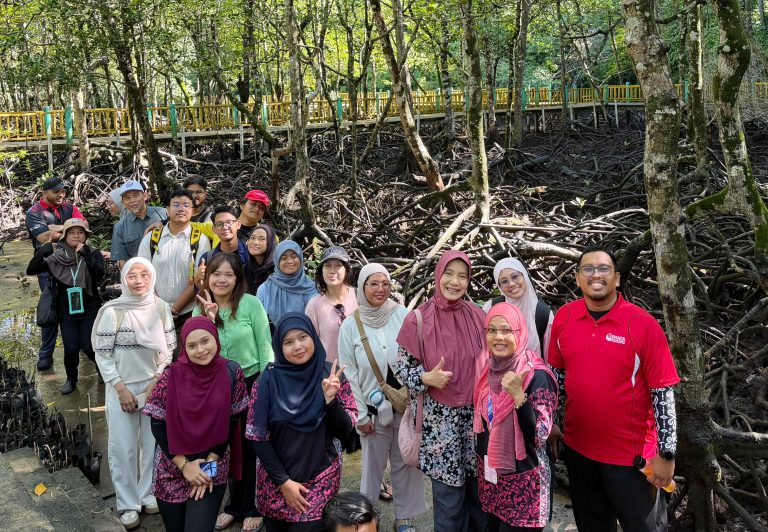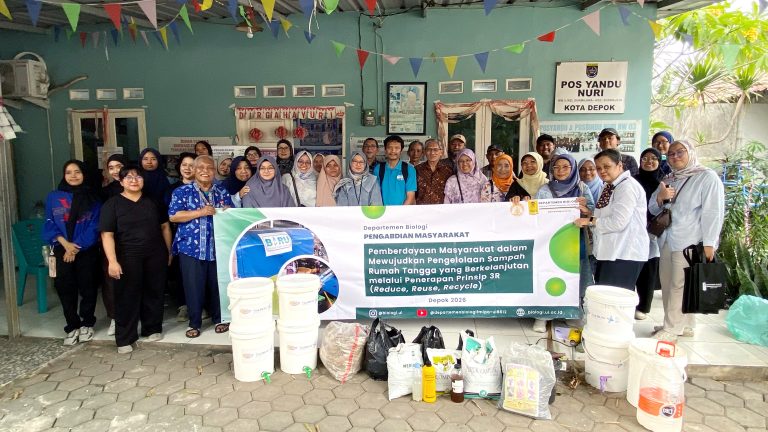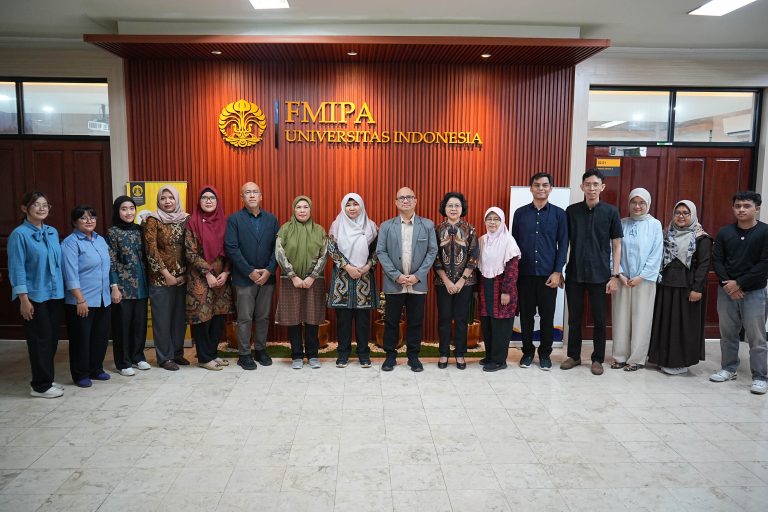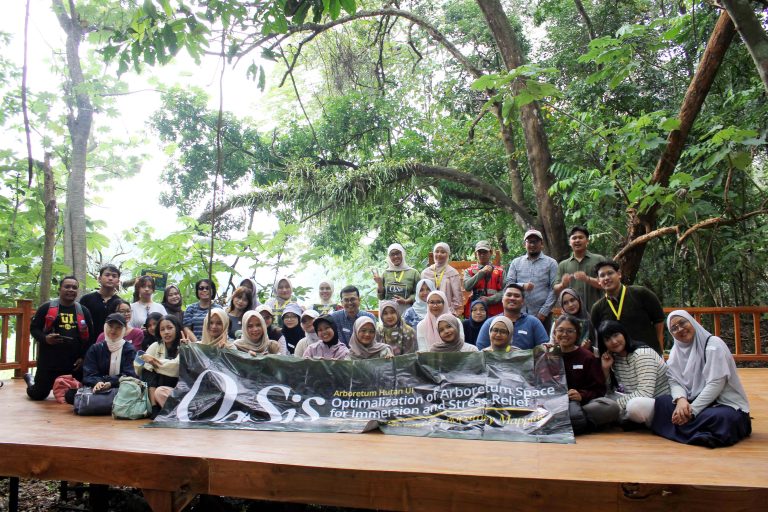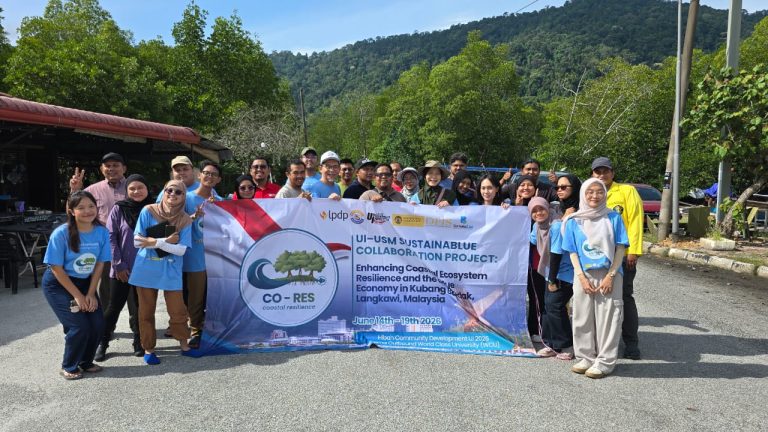
Depok, July 2, 2026 — The Faculty of Mathematics and Natural Sciences, Universitas Indonesia (FMIPA UI), provided mangrove conservation education to coastal communities through an international community service program in Kubang Badak, Langkawi, Malaysia, on Tuesday (June 17, 2026). The program was part of the World Class University (WCU) Community Service Program , a collaborative initiative between FMIPA UI and Universiti Sains Malaysia (USM).
The program was led by Dr. Retno Lestari, M.Si., with Prof. Dr. rer. nat. Mufti Petala Patria, M.Sc. serving as the Coordinator of the UI SustainaBlue Program. In addition to providing educational outreach to the local community, the team also assessed the community’s level of literacy regarding the functions of the mangrove ecosystem through interviews with 15 local residents.
The assessment revealed that the coastal community’s understanding of mangrove ecosystems remains largely centered on their economic benefits, particularly their role in supporting fisheries and tourism. Meanwhile, awareness of the broader ecological functions of mangroves—including carbon sequestration, coastal protection against erosion, and the conservation of biodiversity—varied among community members.
These findings highlight an important consideration amid growing global attention to coastal ecosystems as a key instrument for climate change mitigation. As the country with the largest mangrove area in the world, Indonesia requires science-based management to ensure that both the ecological functions and economic benefits of mangrove ecosystems are sustainably preserved.
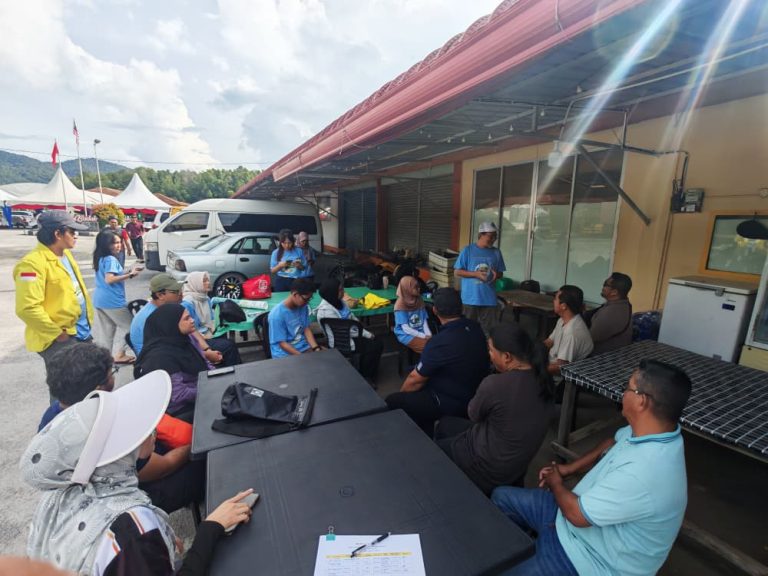
According to Prof. Mufti, research findings need to be translated into knowledge that is accessible and easily understood by the public so that they can be effectively applied in environmental management.
“Universities are not only responsible for producing research, but also for ensuring that scientific knowledge is accessible and can be applied by society to address the environmental challenges we face today,” he said.
In addition to conducting educational outreach, the FMIPA UI team observed the condition of the mangrove ecosystems in Kubang Badak and Kilim Karst Geoforest Park, which is part of the UNESCO Global Geopark network. The area serves as a habitat for diverse mangrove species and wildlife while playing a vital role in maintaining the stability of coastal ecosystems.
The team also studied oyster farming practices at the Langkawi Oyster Farm, operated by the Centre for Marine and Coastal Studies (CEMACS), Universiti Sains Malaysia. The farming system utilizes the oyster’s natural ability as afilter feeder, eliminating the need for supplementary feed. In addition to its economic value, oyster cultivation also contributes to improving water quality by filtering organic particles from the surrounding aquatic environment.
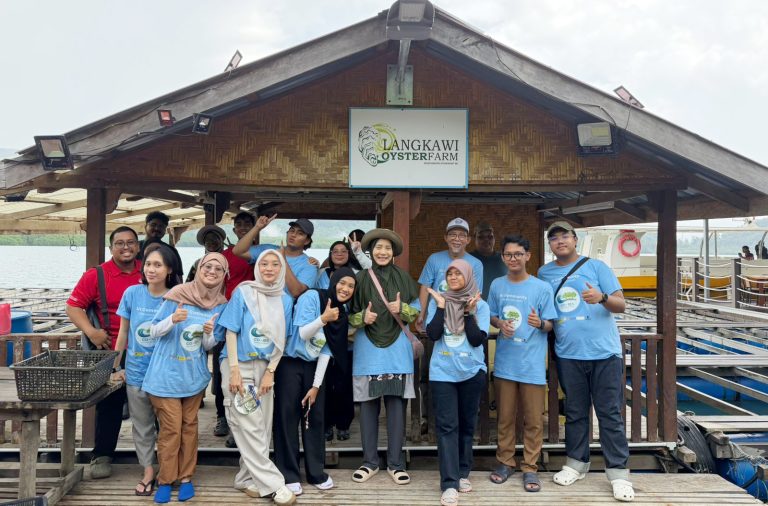
Nevertheless, Prof. Mufti emphasized that coastal aquaculture faces an emerging challenge in the form of microplastic pollution. According to him, microplastic particles suspended in the water column can be ingested by bivalve organisms during their natural filtration process.
“Microplastic particles suspended in the water column can enter the bodies of bivalves during the filtration process. As water passes through their gills, these particles may become trapped and eventually accumulate within the organisms’ tissues,” he explained.
The program involved nine students and researchers from the Department of Biology, FMIPA UI: Niken Laoren, Rakha Nabillutra Falah, Cloudya Zefanya, Ahura Zia Fiwansjah, Kendra Elvina Rosano, Hedza Fadli Robbina, Ilma Ardelia, Ushulil Hidayat, and Syaqila Putri M. The program was also supported by Amelia Said and Fajar Budiman, who served as program consultants.
Through its collaboration with Universiti Sains Malaysia (USM), FMIPA UI not only delivered mangrove conservation education to coastal communities but also promoted the application of ecological research findings at the community level. The program further enriched students’ learning experiences by providing direct involvement in community service activities and international collaboration.