The problem of marine debris is becoming increasingly unstoppable. This has had a devastating impact on marine life. Besides polluting the oceans, the debris is also ingested and poisoned by marine animals.
Take plastic waste, for example. Plastic is a synthetic organic polymer. Its lightweight, strong, and durable properties make it widely used in the manufacture of a wide variety of products, particularly packaging.
A 2016 study by the University of Georgia found that Indonesia’s oceans are the second-largest reservoirs of plastic waste in the world.
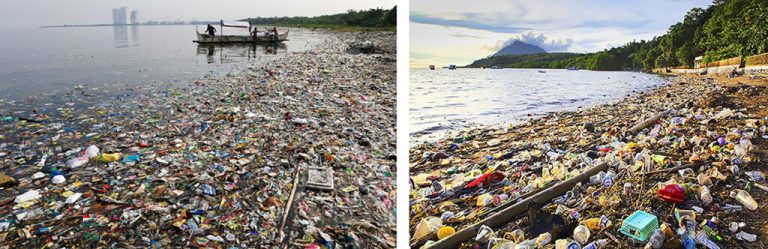
Plastic debris in the open ocean
At the “One Day Seminar on Marine Tropical Diversity and Sustainability” seminar in the Winter School Program 2018, Thursday (25/1) in Building B 101 FMIPA UI, Dr. rer. nat. Mufti Petala Patria, M.Sc., a marine expert from the Department of Biology FMIPA UI in his presentation explained that more than 8 million tons of plastic waste are dumped into the sea every year, around 80% of which comes from activities carried out on land, namely industry, sewerage, unprocessed waste and tourism. While 20% comes from activities carried out at sea, namely fisheries, marine transportation, and offshore industries.
In his presentation, he also explained that as the amount of waste continues to swell in Indonesian seas and even throughout the world, the lives of marine animals are increasingly threatened.
For example, turtles often get caught in piles of rubbish and even eat plastic and microplastic rubbish because they think the rubbish is food, even though turtles are one of the most protected marine animals, not only does this happen to turtles, this also happens to seabirds and sea lions.

The dangers of waste containing chemical substances in animals include causing physical injuries in the intestinal tract, translocation to other tissues or organs, significant weight loss, significant reduction in eating activity, and developmental defects.
So, what can we do?
Dr. rer. nat. Mufti Petala Patria, M.Sc., stated that this problem is not only the responsibility of the government or related institutions, but the community also needs to play an active role and contribute. For example, behaving wisely in using plastic-based products and even avoiding the use of items that have the potential to become waste, not just plastic, thereby reducing the production of plastic waste and similar waste for the sake of creating a clean and healthy environment.
If this plastic waste problem is left untreated, according to Dr. rer. nat. Mufti Petala Patria, M.Sc., it will have a social and economic impact on Indonesian society, especially those living in coastal areas and small islands, as it will result in a decline in state revenue from the maritime sector.
Furthermore, Dr. rer. nat. Mufti Petala Patria, M.Sc., explained that efforts to manage waste into useful products are also very important to be improved with the support of currently developing technologies, for example converting waste into energy, in addition tobio-plasticpackaging made from cassava or other plants also have the potential to be developed. However, the most important thing is the awareness of each individual to be able to reduce plastic pollution.