Depok, July 8, 2026 — Radioiodine (I-131) has long played a crucial role in the treatment of thyroid disorders, including thyroid cancer. However, despite its well-established therapeutic benefits, questions remain regarding the effects of exposure to this radioactive substance on healthy organs that are not the intended targets of treatment.
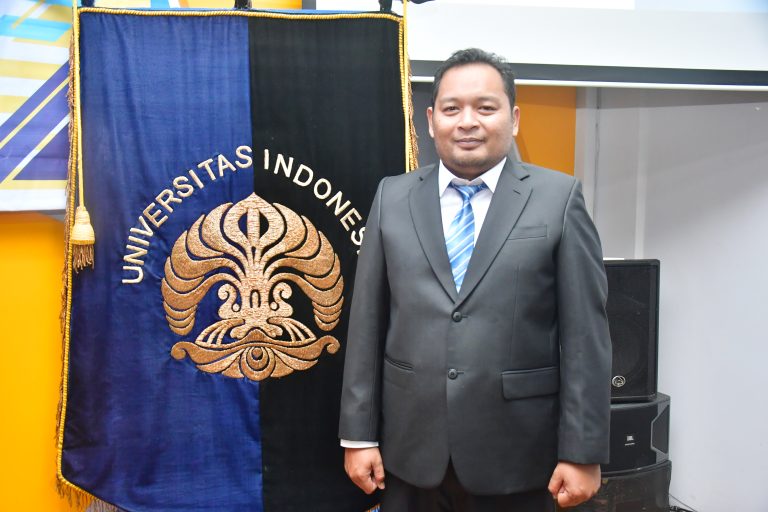
This question became the focus of the doctoral research conducted by Harry Nugroho Eko Surniyantoro from the Doctoral Program in Biology, Faculty of Mathematics and Natural Sciences, Universitas Indonesia (FMIPA UI). Through his dissertation entitled Oxidative Stress, DNA Damage, and Immune Responses in Rats Following Oral Iodine-131 (I-131) Exposure, In his dissertation, he investigated how radioiodine affects the body after being absorbed through the digestive tract.
The study found that radioiodine exposure affects not only the thyroid gland—the primary target of the therapy—but also the stomach and small intestine, which are responsible for absorbing the radioactive substance.
To comprehensively understand its effects, Harry investigated the various changes that occur in the body, including immune system responses, increased levels of substances that can damage cells due to oxidative stress, damage to genetic material (DNA), naturally occurring cell death as a protective mechanism of the body, and structural changes in organ tissues.
“To date, most attention has been focused on the therapeutic benefits of radioiodine in treating thyroid disorders. However, other organs that are also exposed need to be better understood so that the risks associated with the therapy can be managed more effectively,” said Harry.
According to Harry, research on radioiodine has largely focused on its effectiveness in destroying thyroid tissue and cancer cells. In contrast, the effects of radioiodine exposure on healthy organs beyond the intended treatment targets remain relatively underexplored.
The findings are expected to provide a scientific foundation for developing strategies to reduce the side effects of radioiodine therapy, while enhancing the safety of both patients and healthcare professionals working in the field of nuclear medicine.
“We hope this research will serve as a foundation for developing strategies to reduce the side effects of radioiodine therapy without compromising its therapeutic effectiveness,” said Harry.
The study also introduces several novel aspects. One of its key innovations is the use of a radioiodine solution produced by the Research Center for Radioisotope Technology, Radiopharmaceuticals, and Biodosimetry of Indonesia’s National Research and Innovation Agency (BRIN), which has not previously been used in similar studies. Unlike most earlier research, which relied on injections or cell culture experiments, Harry administered the radioiodine orally, closely replicating the clinical procedure used in patient treatment. This approach is expected to provide findings that more accurately reflect real-world therapeutic conditions.
In addition, this study is among the first to examine the multiple biological effects of radioiodine exposure simultaneously, including immune system responses, increased levels of cell-damaging compounds, DNA damage, programmed cell death (apoptosis), and changes in tissue structure. Rather than focusing solely on the thyroid gland as the therapeutic target, the research also investigates the stomach and small intestine, which play a critical role in radioiodine absorption, providing a more comprehensive understanding of its effects on healthy organs.
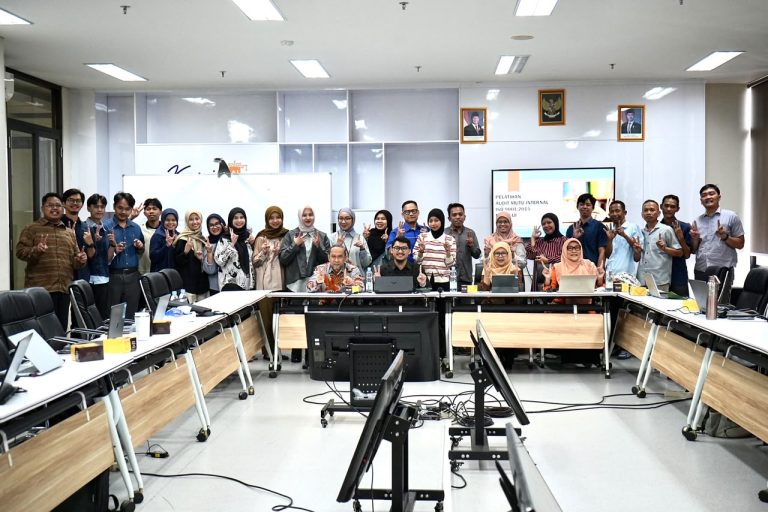
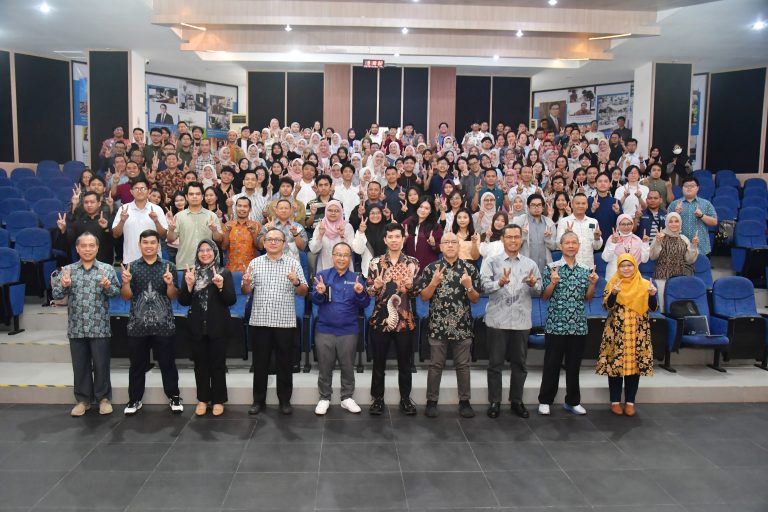
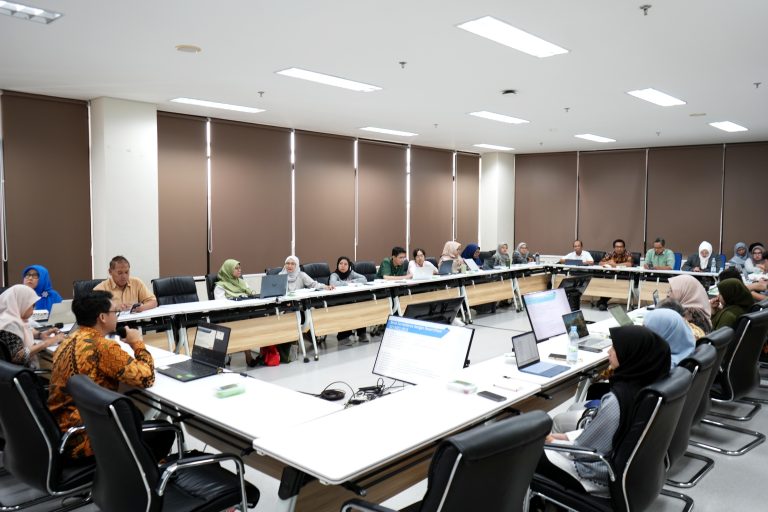
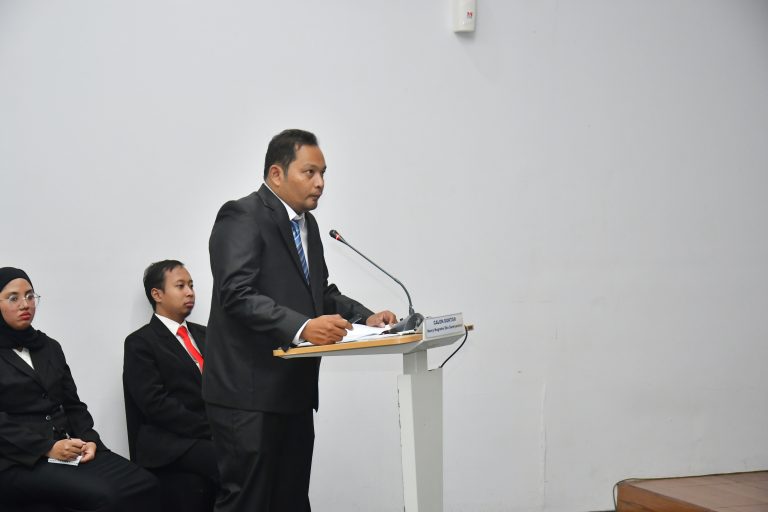
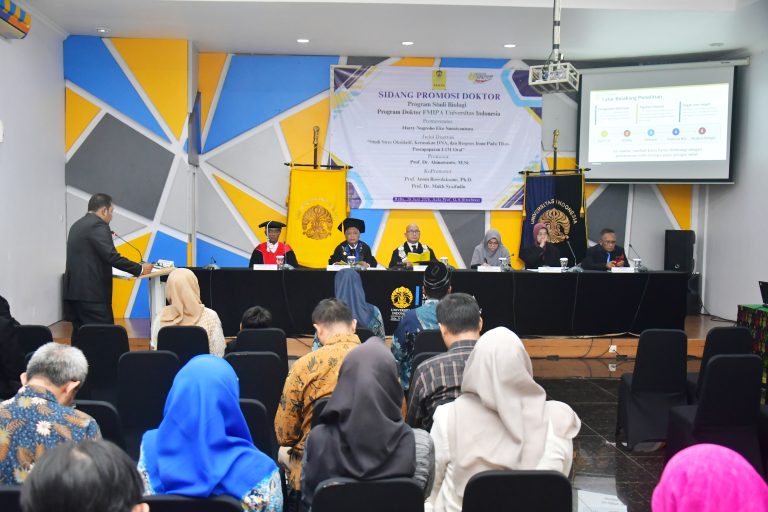
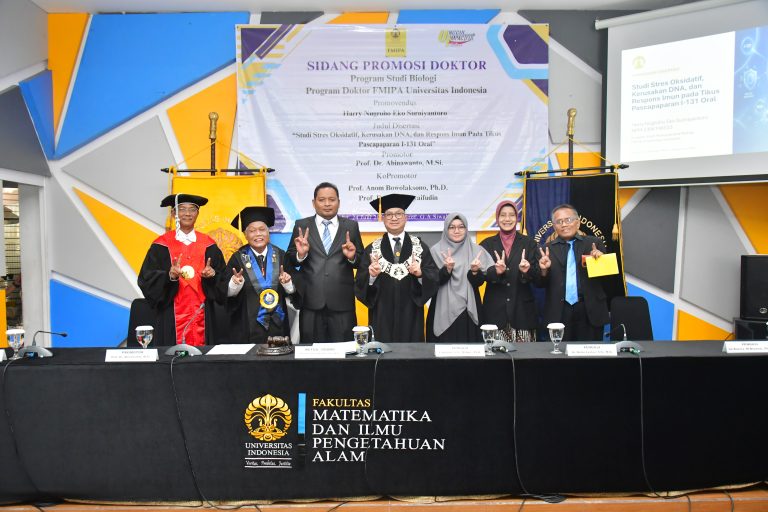
Harry Nugroho Eko Surniyantoro defended his dissertation during his doctoral promotion examination, held at the Prof. G.A. Siwabessy Hall, FMIPA UI, Depok, on June 24, 2026. He completed his doctoral studies in six semesters, earned a perfect cumulative grade point average (GPA) of 4.00, and graduated with distinction Summa Cum Laude. Harry Nugroho Eko Surniyantoro, who also earned his bachelor’s degree from the Faculty of Biology and his master’s degree from the Faculty of Medicine at Universitas Gadjah Mada, began his research career at Indonesia’s National Nuclear Energy Agency (BATAN) in 2010.
The doctoral promotion examination was chaired by Prof. Tito Latif Indra, M.Si., Dean of FMIPA UI. Prof. Abinawanto, M.Si., served as the Promotor, while the Co-promotors were Prof. Anom Bowolaksono, Ph.D., from the Department of Biology, FMIPA UI, and Prof. Dr. Mukh Syaifudin, from the Research Center for Radioisotope Technology, Radiopharmaceuticals, and Biodosimetry, Nuclear Energy Research Organization, National Research and Innovation Agency (BRIN).