The Faculty of Mathematics and Natural Sciences, Universitas Indonesia (FMIPA UI), received a visit from the Yayasan Pendidikan Kader Bangsa Indonesia (YPKBI) on Wednesday (October 8) at the FMIPA UI Central Administration Building, UI Campus, Depok. The visit discussed the potential for collaboration in developing internationally standardized science and technology (SAINTEK) teacher education and training programs.
The YPKBI delegation was led by Co-Founder Miftah Sabri and welcomed by FMIPA UI leadership, including Vice Dean for Education, Research, and Student Affairs Prof. Dr. rer. nat. Budiawan, Manager of Research and Community Service Dr. Dipo Aldila, and Student Affairs Manager Prof. Dr. Dewi Susiloningtyas.
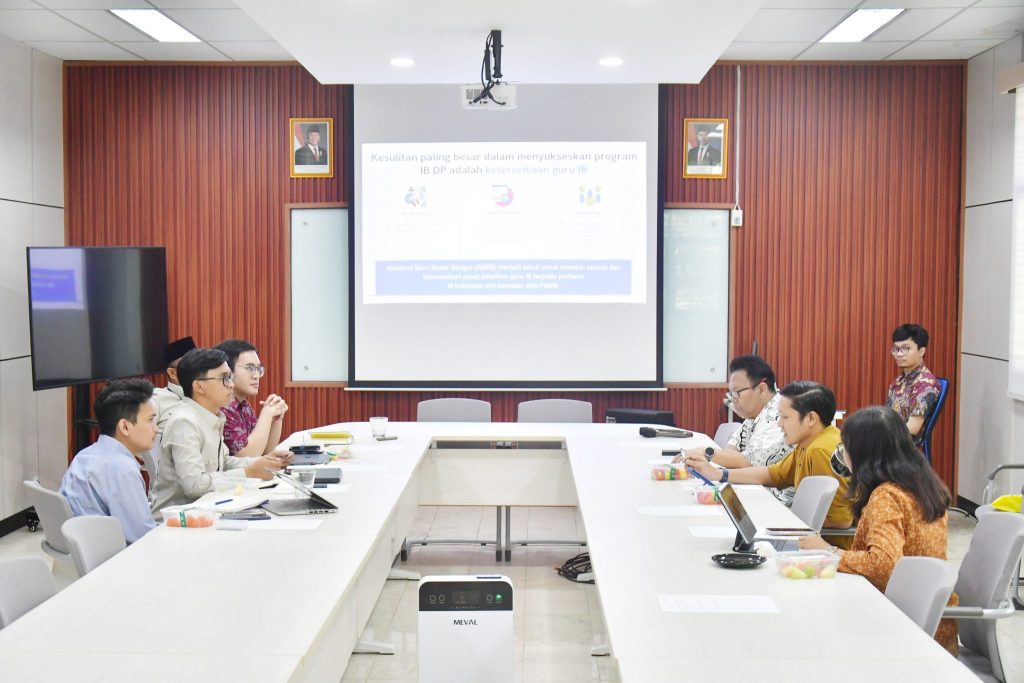
YPKBI is known for actively organizing globally certified teacher training, in line with government policies promoting the development of SAINTEK-based superior schools across various regions. This aligns with FMIPA UI’s capacity as a higher education institution excelling in science and technology.
“Many FMIPA UI students have a passion for teaching. This collaboration can provide a space for them to build careers, not only in industry and research but also as professional educators,” said Dr. Dipo Aldila during the discussion session.
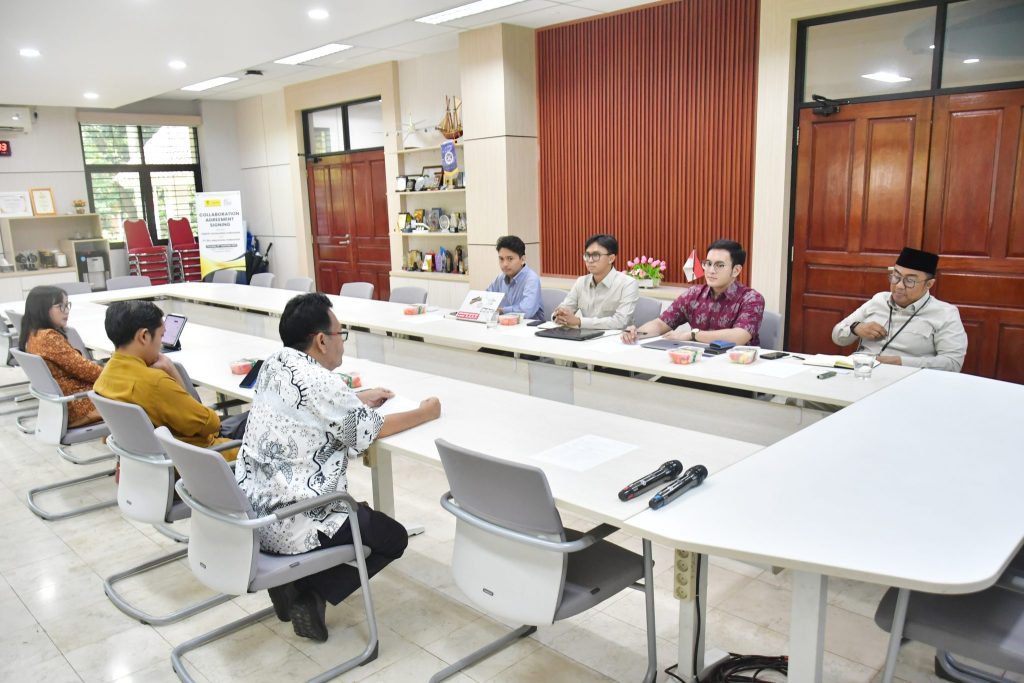
The Chief of Partnership at YPKBI, M. Djodi Hardi, added that collaboration with FMIPA UI is important to support the national vision in SAINTEK education.
“We see that FMIPA UI has the competent resources to help strengthen the capacity of teachers and prospective educators in the field of science. This is a highly strategic collaboration,” he said.
Meanwhile, Prof. Dr. rer. nat. Budiawan emphasized that this collaboration is part of FMIPA UI’s contribution to addressing global challenges.
“Science and technology education is the key to the future. We are ready to play an active role in developing the skilled human resources that Indonesia needs,” he said.
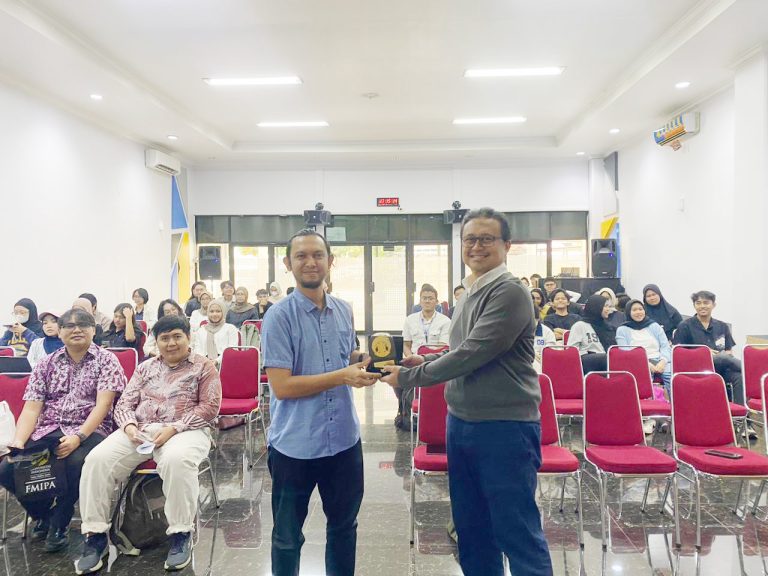
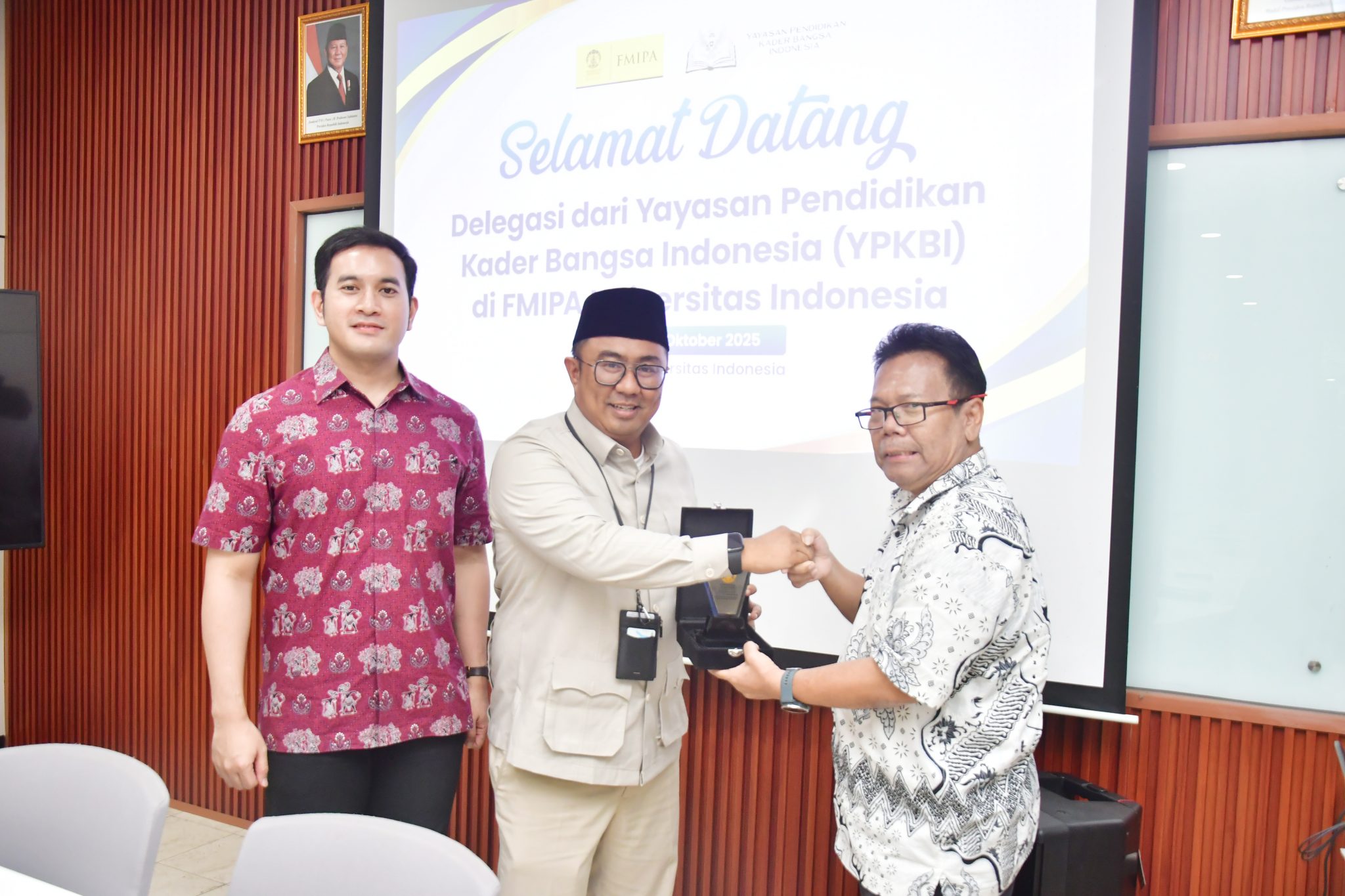
The visit concluded with the exchange of souvenirs and a group photo session. Both parties hope that this initiative can develop into a tangible program with a broad impact, particularly in improving the quality of science education in Indonesia.