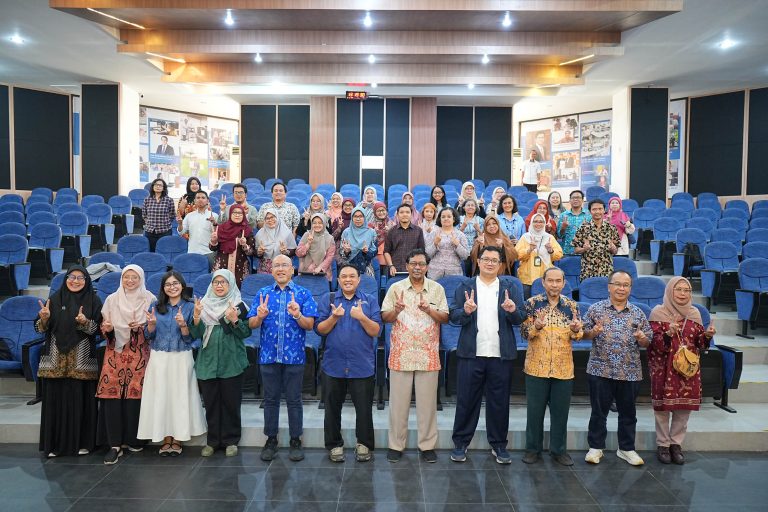
Depok, August 28, 2026 — The Faculty of Mathematics and Natural Sciences, Universitas Indonesia (FMIPA UI), strengthened faculty members’ competencies in understanding the characteristics and needs of students through the 2026 FMIPA UI Faculty Training, themed “Strengthening Faculty Competencies in Interacting with Multigenerational Students”.The event, held on Thursday (August 20, 2026) at the Prof. Dr. Ir. Soemantri Brodjonegoro Hall, FMIPA UI, was attended by more than 60 faculty members.
The training was part of FMIPA UI’s efforts to create an adaptive, inclusive, and responsive learning environment that addresses the diverse characteristics of students, including aspects of communication and mental health.
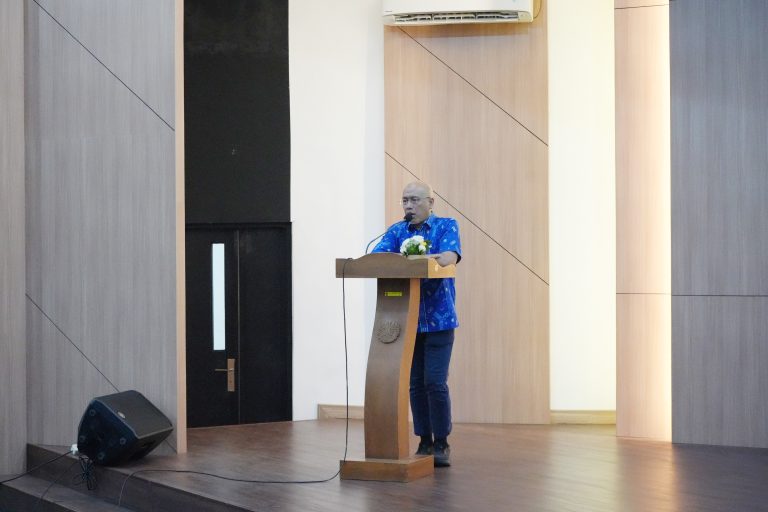
The Vice Dean for Education, Research, and Student Affairs of the Faculty of Mathematics and Natural Sciences (FMIPA UI), Prof. Anom Bowolaksono, Ph.D., said that understanding students’ characteristics is an important part of supporting an effective learning process.
“Lecturers need to understand their students more holistically so that the learning process is not only academically effective, but also creates a safe and supportive learning environment,” said Prof. Anom.
Entering the main session, the training was moderated by Nina Marliyani, M.Si., a Counselor at FMIPA UI, with Ika Malika, M.Psi., Psychologist and Coordinator of Counseling Services at the Makara Satellite Clinic of Universitas Indonesia, serving as the speaker.
Ika discussed the characteristics of Generation Z students, who have grown up alongside digital technology and are in the emerging adulthoodstage. During this stage, students are in a period of exploring their identity, education, careers, relationships, and life values.
According to Ika, understanding students’ characteristics should serve as a foundation for lecturers in determining appropriate communication and learning approaches.
“Generation Z has different characteristics and needs. Therefore, lecturers also need to adapt their approaches without compromising the academic standards that students are expected to achieve,” said Ika.
In the context of learning, lecturers are encouraged to use relevant and interactive approaches, including visual media, hands-on practice, projects, and connecting course material to its real-world applications.
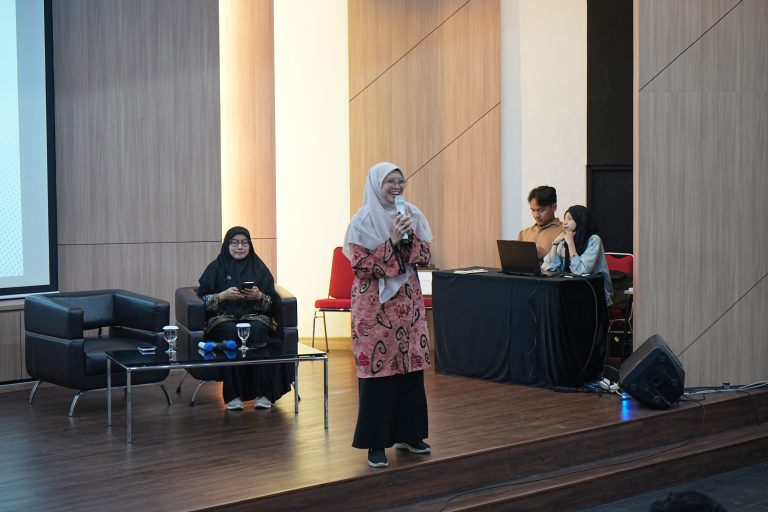
Ika also emphasized the importance of warm, empathetic, and authentic communication in building meaningful interactions with students.
“What students need is not merely a lecturer who delivers course material, but also someone who can communicate with them empathetically and authentically. However, professional boundaries must still be maintained,” she said.
In addition to generational characteristics, the training addressed student mental health as one of the factors that can affect the learning process. Lecturers were encouraged to understand students’ conditions, including recognizing signs that a student may need further support.
According to Ika, lecturers are not expected to take on the role of counselors, but they should have the ability to recognize students’ conditions and determine the appropriate course of action.
“Lecturers are not counselors, so they do not need to take on the role of mental health professionals. What is important is being able to recognize signs that a student needs help, provide initial support within the boundaries of their role, and refer the student to the appropriate services,” said Ika.
The training also covered Individuals with Special Needs (IBK), students with disabilities, and neurodivergent students. Participants were introduced to conditions such as Attention Deficit Hyperactivity Disorder (ADHD) and the autism spectrum, including both the challenges and strengths of students with diverse conditions.
In creating an inclusive academic environment, lecturers can provide academic and learning support (academic accommodations) according to students’ needs. The forms of support discussed included providing instructions that are written, concise, and concrete; setting clear deadlines; breaking assignments into several stages; providing feedback incrementally; and managing the classroom while taking students’ sensory needs into consideration.
Nina said that discussing students across different generations and diverse student conditions is important for lecturers because academic interactions involve more than simply delivering course material.
“Lecturers interact directly with students every day. Therefore, the better lecturers understand their students’ characteristics and needs, the more appropriately they can respond throughout the learning process,” said Nina.
She added that this understanding is not intended to ensure that all students are treated in the same way, but rather to ensure that each student receives appropriate support so they can participate in the learning process to the best of their ability.
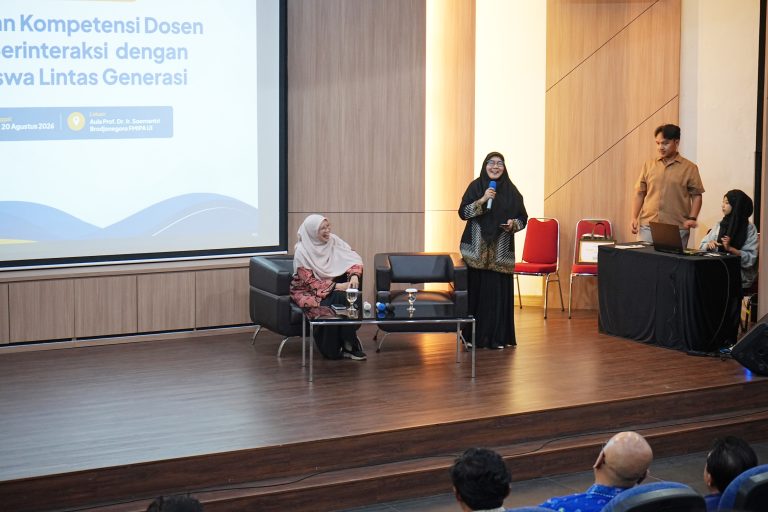
“An inclusive learning environment does not mean treating all students in the same way. Rather, it means understanding and appropriately accommodating their needs while maintaining academic standards,” she added.
In group work, clearly defined roles can also help students understand their respective expectations and responsibilities. Lecturers should also protect students’ privacy and provide emotional support within the boundaries of their role.
When necessary, lecturers can collaborate with counseling services to ensure that students receive appropriate professional support.
Following the presentation, the activity continued with a question-and-answer session and an interactive discussion. The lecturers had the opportunity to ask questions, share their experiences, and discuss various situations they encounter when interacting with and supporting students in the academic environment.
The discussion provided participants with an opportunity to gain a more practical understanding of how to apply approaches to communicating with and supporting students, while also exploring ways to create an inclusive and adaptive learning environment.
Through the 2026 FMIPA UI Lecturer Training, lecturers gained broader perspectives on the characteristics of students across generations, mental health, and the diverse needs of students throughout the learning process.
This activity is expected to strengthen lecturers’ ability to build empathetic communication, create a safe and inclusive learning environment, and provide adaptive academic support without compromising educational standards.