Depok, 3 Juni 2026 — Biodiversity and human health are inseparable from the sustainability of forest ecosystems. Amid the growing challenges of climate change, environmental degradation, and increasing food homogenization, sustainable forest management is regarded as a key strategy for safeguarding both food security and public health.
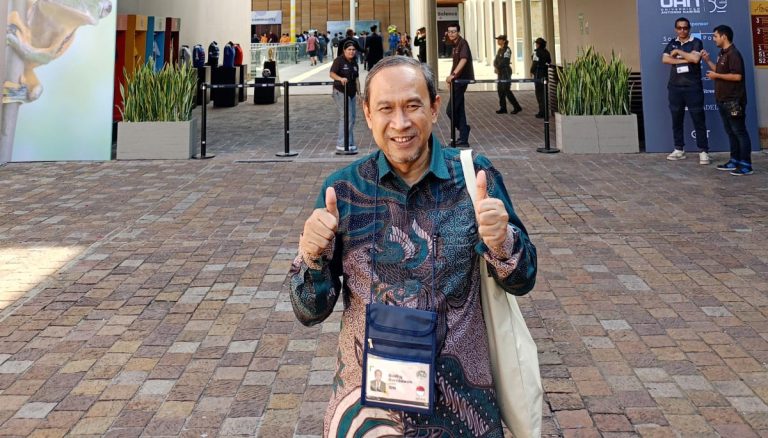
This message was highlighted during the seminar Linking Biodiversity and Health organized by the Undergraduate Biology Study Program, Faculty of Mathematics and Natural Sciences, Universitas Indonesia (FMIPA UI), on Wednesday (17 June) at the Prof. Dr. G.A. Siwabessy Auditorium, Building C, FMIPA UI. The seminar featured Prof. Terence C.H. Sunderland of the University of British Columbia, Canada, as the keynote speaker.
In his presentation, Prof. Sunderland explained that the relationship between people and forests extends far beyond conservation. According to him, forests are an essential component of food systems that sustain human life by providing not only food resources but also vital ecosystem services that support human health.
“Forests, trees, and people are part of an interconnected system that depends on one another. When biodiversity declines, the consequences are felt not only by the environment but also through reduced food quality and adverse impacts on human health,” said Prof. Sunderland.
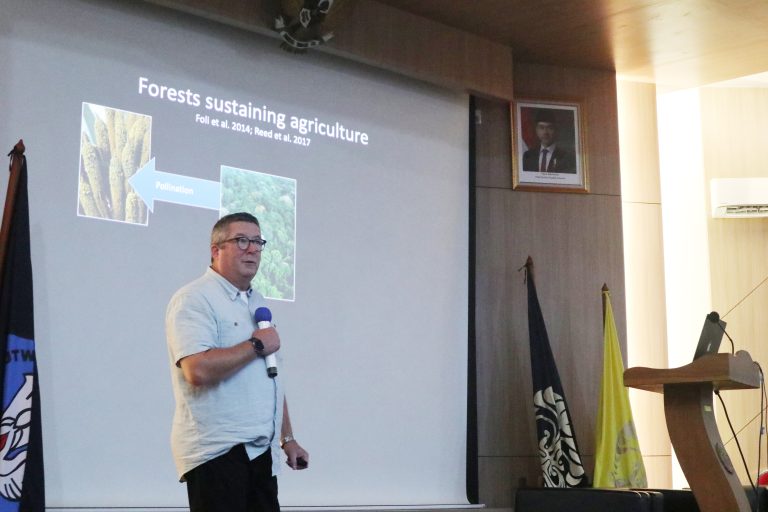
He also highlighted the phenomenon of food homogenization occurring in many countries. According to him, this trend has led societies to rely on an increasingly limited range of food sources, potentially reducing the diversity of nutrients in their diets.
“Food diversity is the foundation of a resilient food system. Therefore, forest management should be viewed as an investment in safeguarding the long-term sustainability of food resources and human health,” he said.
According to Prof. Sunderland, Indonesia holds a strategic position as a country with exceptionally high biodiversity. This potential must be managed sustainably in order to support public welfare while also preserving the ecological functions of forests.
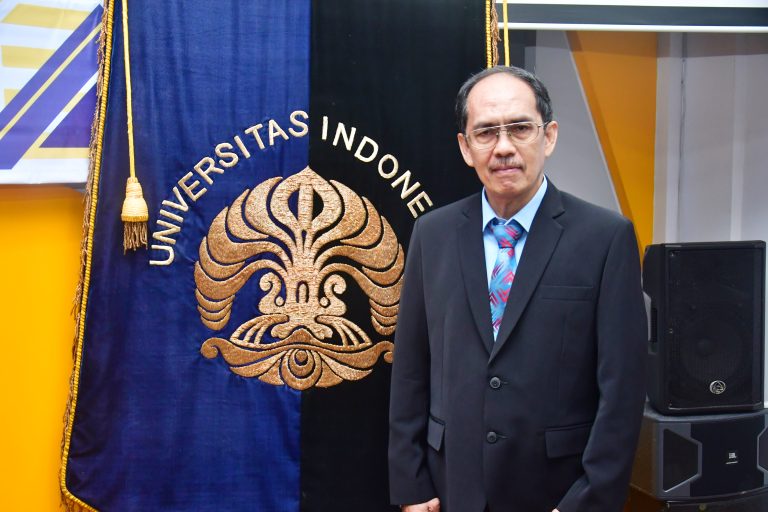
Dr. Mega Atria, M.Si., representing the Undergraduate Biology Study Program, FMIPA UI, said that the seminar served as a platform for students to understand the connection between biological science and real-world societal challenges. According to her, biodiversity can no longer be viewed solely as an environmental issue, but is also closely linked to food security and human health.
“We hope this seminar can broaden students’ understanding of the interconnections between forests, nutrition, and health, while also fostering critical thinking about global environmental and health challenges,” said Dr. Mega.
She added that the presence of international academics at FMIPA UI is expected to broaden the perspectives of the academic community, while also strengthening scientific collaboration networks in addressing various sustainable development challenges.
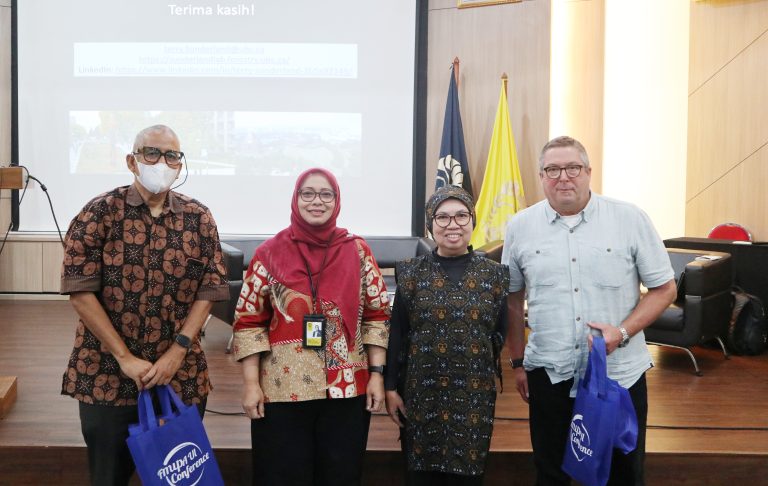
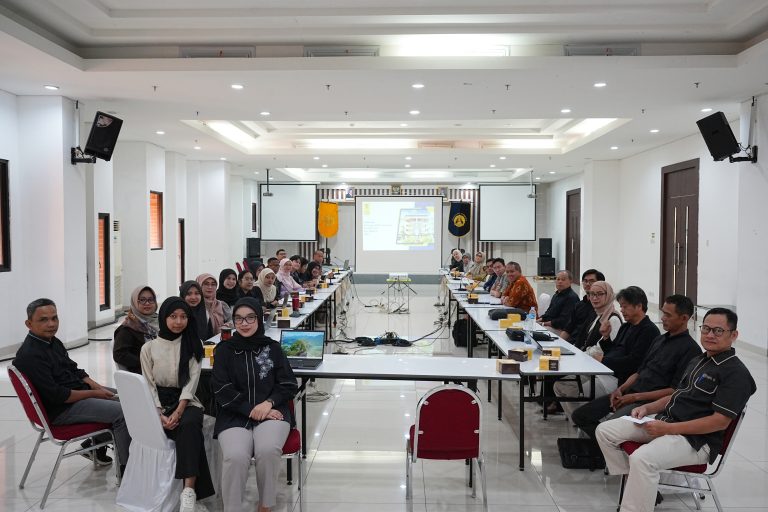
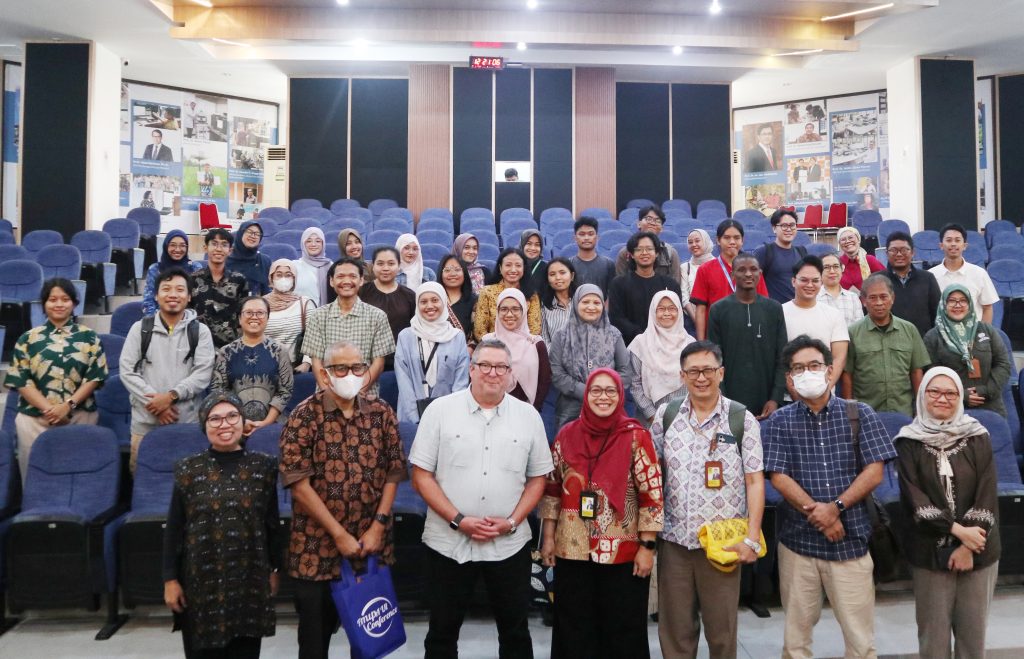
The seminar, moderated by Dr. Mochamad Indrawan from the Research Center for Climate Change, Universitas Indonesia (RCCC UI), was attended by students, lecturers, and researchers within FMIPA UI. The discussion session was highly interactive, covering topics such as the relationship between forests and food systems, forest conservation for public health, landscape management policies, the use of traditional knowledge in biodiversity conservation, as well as the role of students and young generations in supporting sustainable development.
Through this seminar, FMIPA UI encourages a strengthened perspective that biodiversity conservation is not only a conservation agenda, but also part of a broader strategy to build sustainable food systems and public health. The forum also underscores the importance of collaboration between science, policy, and society in safeguarding Indonesia’s biological wealth as a fundamental asset toward healthier and more sustainable development.